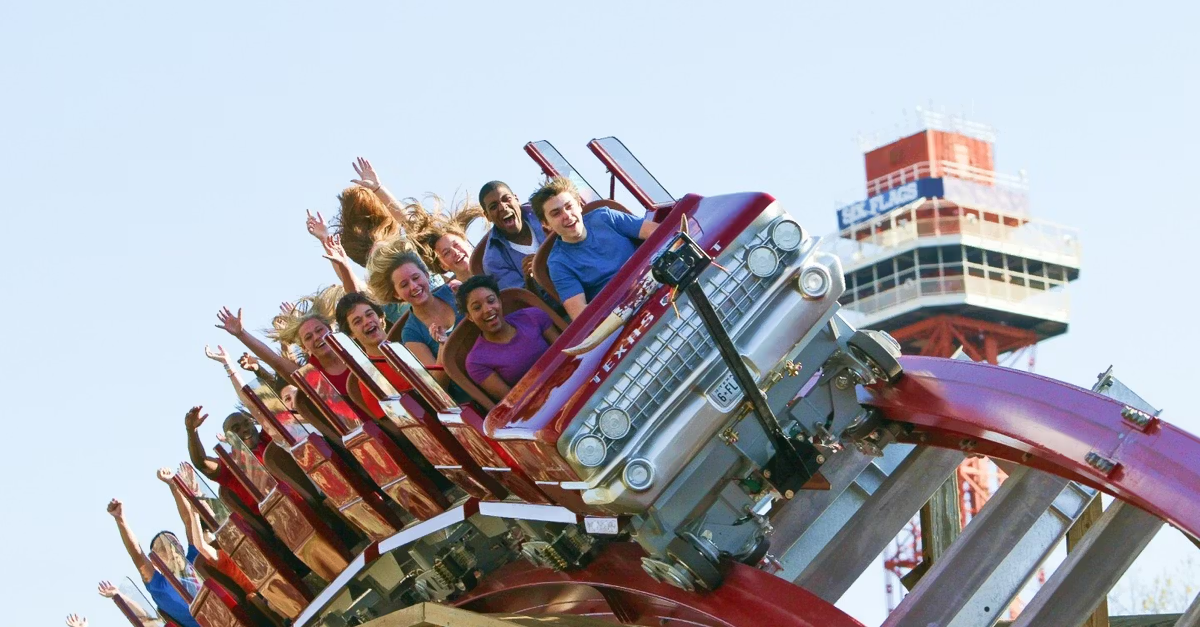
For many theme park fans, Six Flags Over Texas isn’t just another park in the chain. It’s the original, the park that started it all back in 1961, and a place loaded with history, nostalgia, and some very strong emotional ties for longtime fans. That’s why this week’s news caught a lot of attention across the coaster and theme park community.
Six Flags has officially announced that it will not exercise its option to purchase the remaining minority ownership stake in Six Flags Over Texas. The company had until December 31, 2025, to make that decision, and choosing not to move forward means the park will continue operating under its existing ownership structure rather than becoming fully owned by corporate.
Understanding the ownership situation
Unlike most parks in the Six Flags portfolio, Six Flags Over Texas has long operated under a split ownership model. Six Flags corporate holds the majority stake, but a minority interest has remained outside of full corporate control for years. The option to buy out that remaining stake was built into previous agreements, giving Six Flags the opportunity to take complete ownership if it made financial and strategic sense.
Exercising that option would have required significant payments spread out over future years. In today’s theme park landscape, where costs are rising across the board and companies are carefully watching capital spending, that kind of long-term financial commitment isn’t something leadership takes lightly.
Why now, and why not Texas
What makes this decision especially interesting is that it comes not long after Six Flags did the opposite with another legacy park. Just last year, the company exercised its option to purchase the remaining ownership stake in Six Flags Over Georgia, bringing that park fully under corporate ownership.
The contrast between the two decisions suggests this isn’t about avoiding full ownership altogether. Instead, it points to a more selective approach. Six Flags appears to be evaluating each park individually, weighing future investment needs, projected returns, and overall strategic value before committing to major financial obligations.
For Six Flags Over Texas, the calculation may simply be that maintaining the current arrangement offers more flexibility. By not taking on additional payments, the company can continue operating and investing in the park without the pressure of a large buyout hanging over future budgets.
What this means for the park experience
From a guest perspective, this decision likely won’t change much in the short term. Six Flags still controls day-to-day operations, branding, ride development, and seasonal events at the park. Guests shouldn’t expect any immediate impact on staffing, hours, or the types of attractions being added.
Long term, though, fans will naturally wonder whether partial ownership affects major investment decisions. Historically, Six Flags Over Texas has continued to receive new rides, updates, and event overlays, even with the split ownership structure. This announcement suggests the company is comfortable continuing down that path.
A sign of a more cautious Six Flags
Zooming out, this move fits into a broader pattern of theme park operators being more disciplined with spending. Between economic uncertainty, rising construction costs, and shifting attendance patterns, companies are making fewer all-in bets and more carefully choosing where to deploy capital.
By declining to purchase the remaining stake in Six Flags Over Texas, Six Flags is signaling that flexibility and financial caution matter more right now than checking the box of full ownership, even at its most historic park.
For fans, it’s a reminder that behind the thrills and coasters, theme parks are still complex businesses. And sometimes, the most interesting stories aren’t about what’s being built next, but about the strategic decisions quietly shaping the future of the parks we love.