There are moments when entertainment goes beyond storytelling and becomes something deeply personal. This April, Disney+ is taking a meaningful step forward by embracing accessibility and representation in a way that truly resonates.
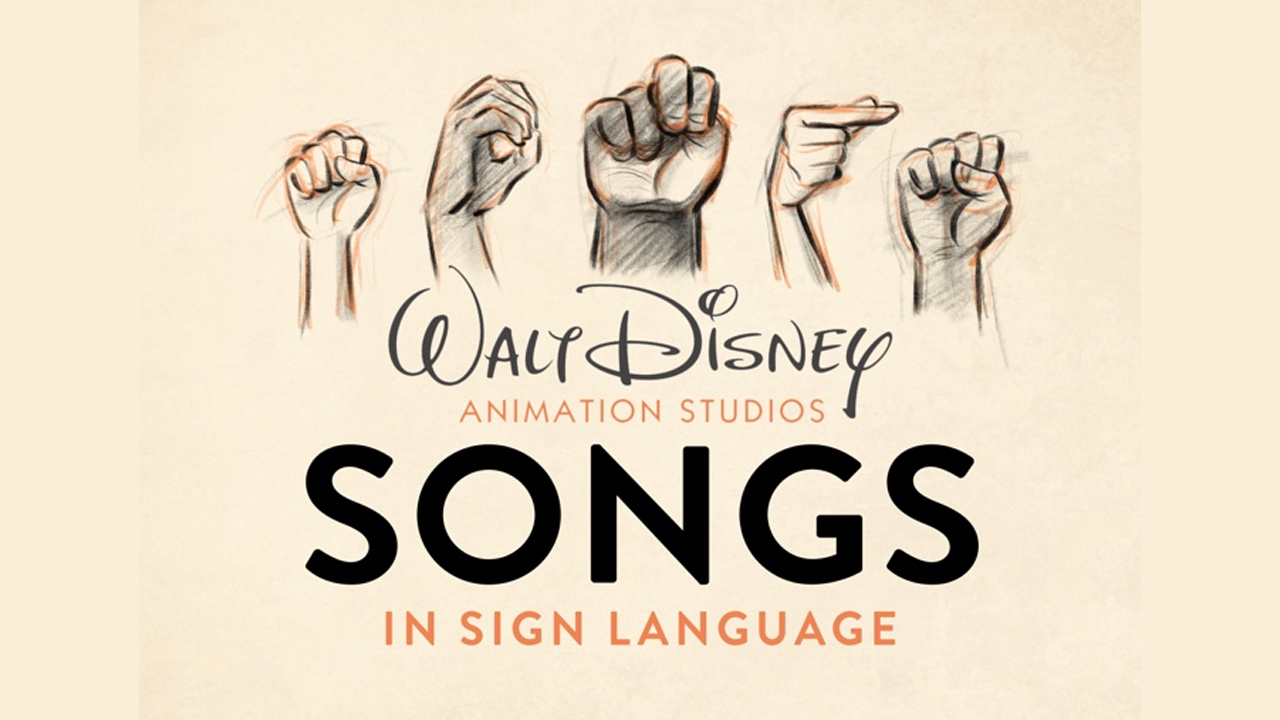
Launching on April 27 in honor of National Deaf History Month, Disney Animation’s Songs in Sign Language introduces three beloved musical moments—now beautifully reimagined in American Sign Language (ASL). For many in the Deaf and hard-of-hearing community, this isn’t just another release. It’s a long-awaited invitation to fully experience the emotion, artistry, and storytelling that Disney music is known for.
Familiar Songs, Reimagined in a New Language
The series features iconic songs from recent Disney favorites:
- “The Next Right Thing” from Frozen II
- “We Don’t Talk About Bruno” from Encanto
- “Beyond” from Moana 2
But these aren’t simple translations. They are complete artistic reinterpretations.
Directed by Hyrum Osmond, the project brings together a team of more than 20 animators who worked closely with ASL performers to ensure authenticity. Instead of translating lyrics word-for-word, the team focused on conveying meaning, tone, and emotion—something that is essential in ASL storytelling.
Collaboration That Centers the Deaf Community
A key part of this project’s impact comes from its collaboration with Deaf West Theatre, a Tony Award-winning company known for elevating Deaf performers and stories.
Artistic director DJ Kurs, along with choreographer Catalene Sacchetti and a team of Deaf performers, helped shape how these songs come to life in ASL. Their approach focused on expression, movement, and visual storytelling—turning each song into something that feels natural and powerful in sign language.
For many in the Deaf community, this level of involvement matters. It ensures that representation isn’t just included—it’s led by those who live it.
Why This Matters
ASL is not simply a translated version of English. It’s a fully developed, visual language rich with nuance, rhythm, and emotion. Seeing it integrated into animation—especially in something as globally recognized as Disney—sends a powerful message.
For Deaf children, this means seeing themselves reflected in stories they already love. For hearing audiences, it opens the door to understanding ASL as an art form, not just a tool for accessibility.
Osmond’s personal connection to the Deaf community adds another layer of meaning. Growing up with a Deaf father, he experienced firsthand how communication barriers can impact relationships. This project, in many ways, feels like a bridge—one built through creativity, intention, and heart.
More Than Just a Series
Alongside the musical sequences, viewers will also get a behind-the-scenes featurette that explores the creative process. It highlights the collaboration, challenges, and emotional journey behind bringing ASL into Disney Animation in such a meaningful way.
And honestly, this feels like just the beginning.
If this project resonates the way it should, it could open the door for more inclusive storytelling across the industry—where accessibility isn’t an afterthought, but part of the foundation.
Final Thoughts
For the Deaf community, this release is more than entertainment. It’s recognition. It’s inclusion. It’s a reminder that stories can and should be told in many languages—including those expressed through movement and expression.
And for everyone else, it’s a chance to experience Disney magic in a completely new way.